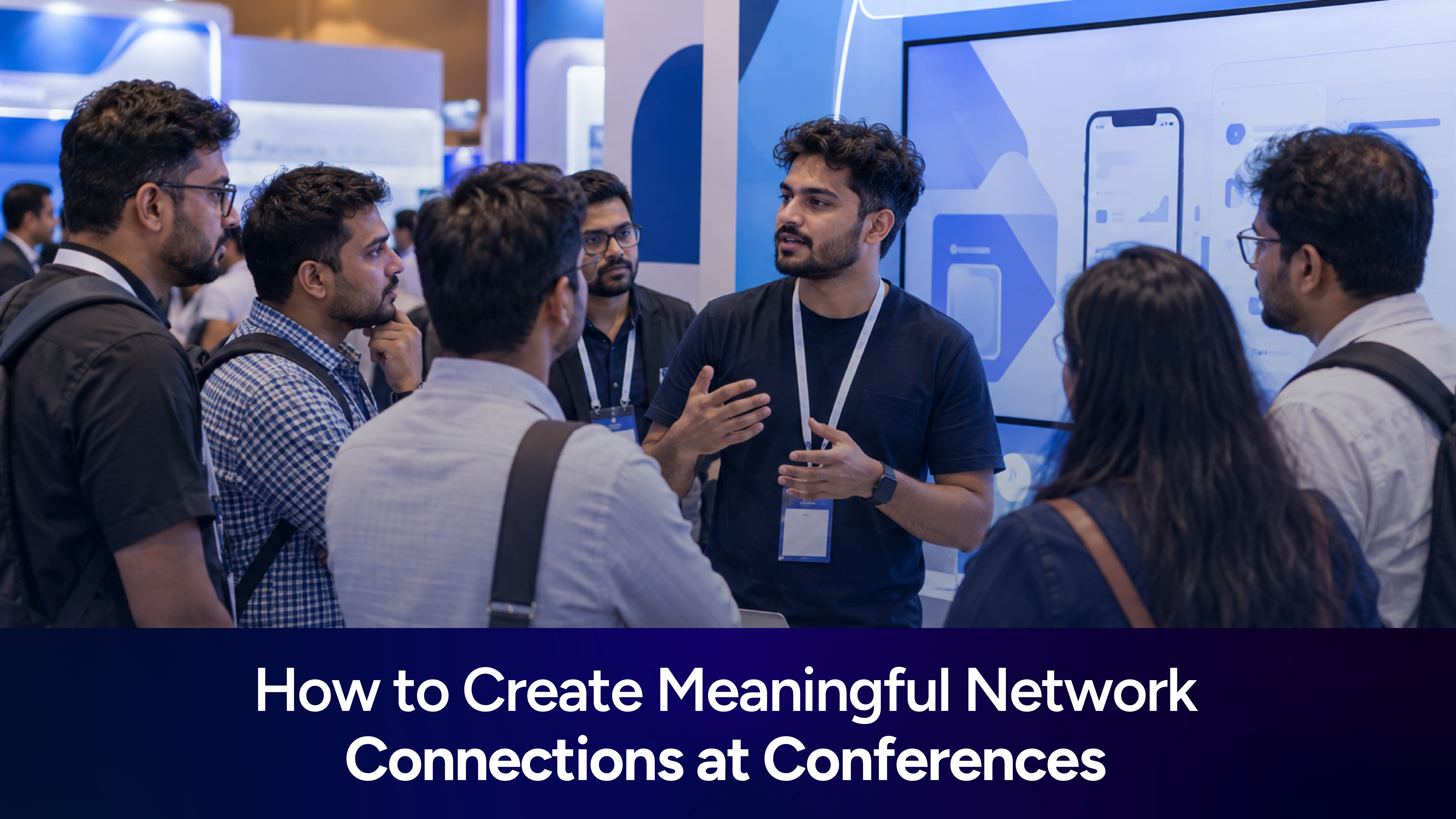
Attending a conference is about more than listening to speakers and attending sessions. Some of the most valuable opportunities can come from the people you meet between sessions, during coffee breaks, or at dedicated networking activities.
However, effective conference networking is not about collecting as many business cards or LinkedIn connections as possible. It is about having useful conversations, finding common ground, and building relationships that continue after the event.
Whether you are attending a conference for the first time or regularly participate in professional events, a little preparation can help you make better connections.
Why Is Networking Important at Conferences?
Conferences bring together professionals who may have different roles, experiences, and perspectives but share an interest in a particular industry or topic. This makes them a natural environment for networking.
Networking at conferences can help you:
Meet potential clients, partners, or collaborators
Learn from professionals with different experiences
Discover career and business opportunities
Exchange ideas and industry insights
Find mentors and peers
Build relationships outside your existing professional circle
For attendees, networking can add value to the conference experience beyond the sessions themselves. For organizers, creating opportunities for attendees to interact can make the event more engaging and memorable.
How to Prepare for Conference Networking
Good networking often starts before you reach the venue. A few simple steps can make it easier to have meaningful conversations.
Know What You Want to Achieve
Think about why you are attending the conference. You may want to meet potential customers, learn about a specific area of your industry, find collaborators, or simply expand your professional network.
Having a general goal helps you identify relevant networking opportunities at conferences instead of trying to meet everyone.
Research the Attendees and Speakers
Look through the event website, speaker profiles, agenda, and any available attendee information. If there are particular people you would like to meet, learn about their work beforehand.
This gives you a natural starting point when you approach them.
Prepare a Short Introduction
You do not need a formal elevator pitch. Simply be prepared to explain who you are, what you do, and what interests you.
For example:
“Hi, I’m Rahul. I work in product marketing for a SaaS company, and I’m particularly interested in how AI is changing customer experiences.”
A simple introduction gives the other person something to respond to and helps the conversation move forward.
How to Start Meaningful Conversations at Conferences
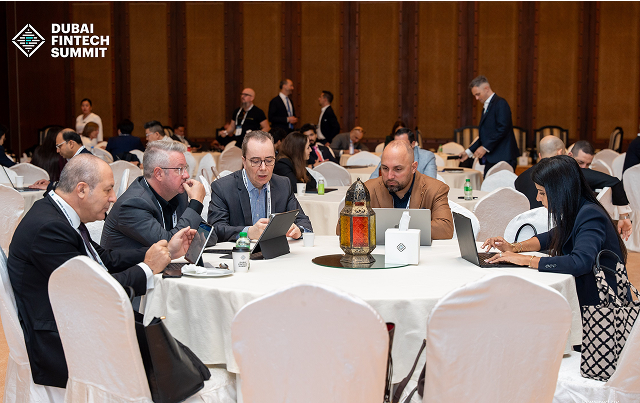
Starting a conversation with a stranger can feel uncomfortable, but conferences provide plenty of natural conversation starters.
Start With the Event
You can ask questions such as:
“What did you think about that session?”
“Have you attended this conference before?”
“Which sessions are you planning to attend?”
“What brought you to the conference?”
Since you already have the conference in common, these questions usually feel more natural than introducing yourself without any context.
Ask Open-Ended Questions
Instead of asking questions that can be answered with a simple yes or no, encourage the other person to share more.
For example, instead of asking, “Do you work in marketing?”, ask, “What kind of marketing work do you focus on?”
This can lead to a much more interesting conversation.
Listen Carefully
Networking is not a competition to see who can talk the most. Pay attention to what the other person says and ask follow-up questions when something interests you.
If someone mentions a project they are working on, for example, ask about it. Showing genuine interest can make a conversation more memorable.
Find Common Ground
Look for shared interests, challenges, experiences, or professional goals. You might discover that you work in the same industry, use similar tools, have similar challenges, or are interested in the same technology.
These common points can turn a short introduction into a meaningful conversation.
How to Build Stronger Connections During the Conference
The first conversation is only the beginning. You can use the rest of the event to develop those connections further.
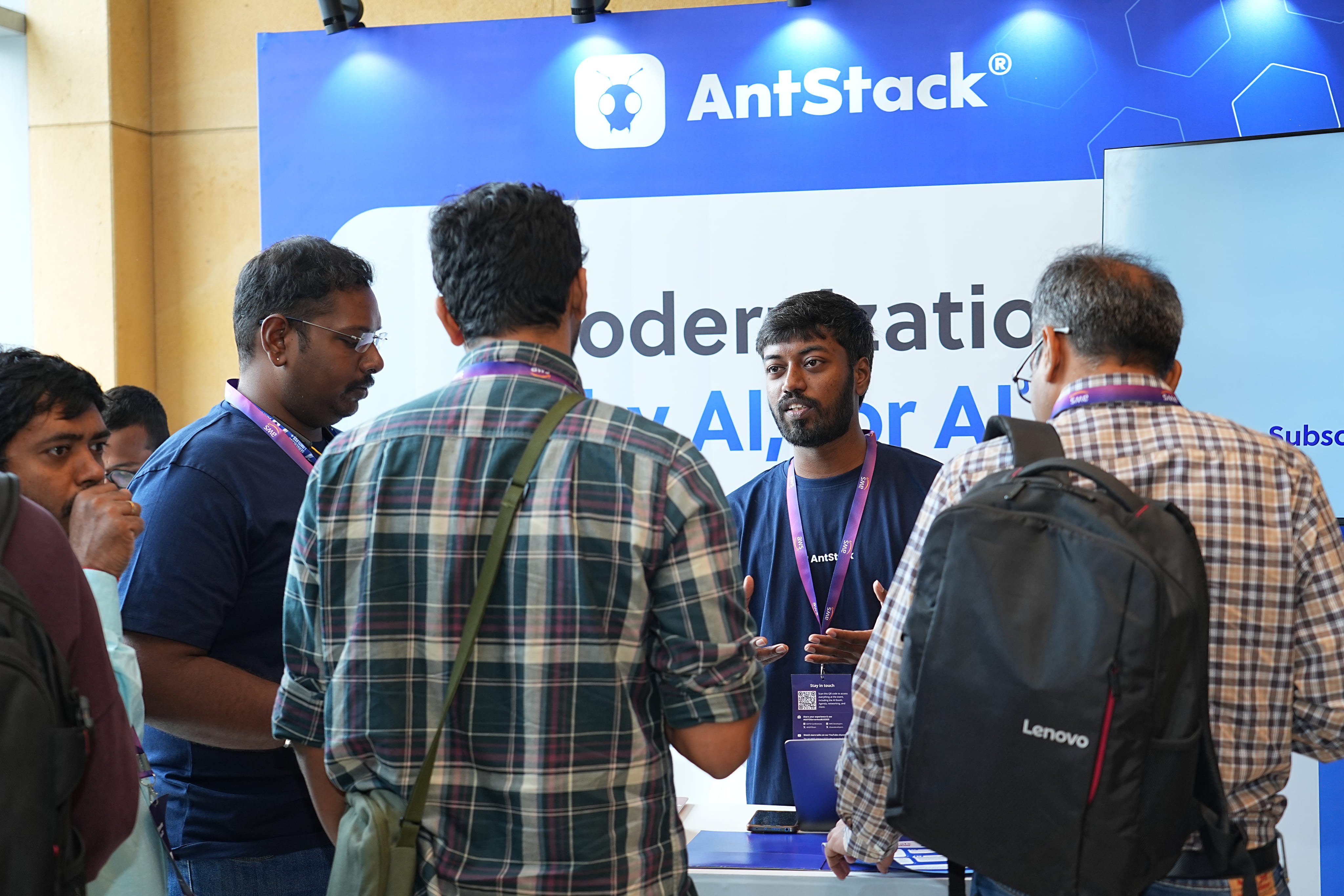
Participate in Networking Activities
Make time for dedicated conference networking activities, including:
Roundtable discussions
Workshops
Meet-and-greet sessions
Industry meetups
One-on-one meetings
Informal social events
These settings can make networking easier because everyone is there with the intention of interacting with others.
Go Beyond Small Talk
Small talk is a useful starting point, but try to move the conversation towards topics that are relevant to both of you.
Instead of simply discussing job titles, talk about industry challenges, recent projects, new technologies, or ideas from the conference.
Introduce People to Each Other
If you meet two people who could benefit from knowing each other, introduce them.
Being willing to help others make connections can make networking feel more collaborative and less transactional.
How to Follow Up and Maintain Conference Connections
One of the most important conference networking strategies happens after the event.
Connect While the Conversation Is Fresh
If you had a good conversation, connect on LinkedIn or exchange contact details before leaving. Make a quick note about what you discussed so you can refer to it later.
Personalize Your Follow-Up
Avoid sending the same generic message to everyone you meet.
Instead of:
“Great meeting you at the conference. Let's connect!”
Try referring to your actual conversation:
“It was great speaking with you at the conference. I enjoyed our discussion about AI in customer support and would be interested to hear how your team approaches it.”
A personalized message shows that you remember the person rather than simply adding another contact.
Give the Connection a Reason to Continue
If you discussed a particular topic, share a useful article, resource, or idea afterward. You can also reconnect when you come across a relevant event or opportunity.
Not every connection needs an immediate business outcome. Strong professional relationships often develop gradually.
How Event Technology Can Improve Conference Networking
Technology can make how to make connections at conferences easier by helping attendees discover relevant people and giving them ways to interact before, during, and after the event.
An event app or networking platform can provide features such as:
Attendee profiles: Help participants discover people with relevant professional interests.
AI networking: Match attendees based on their interests, goals, or areas of expertise.
In-app chat: Allow participants to start conversations without having to approach someone immediately.
One-on-one and group meetings: Give attendees a structured way to schedule time with other participants.
Personalized agendas: Help attendees identify sessions and activities where they are likely to meet relevant people.
These tools are particularly useful for large conferences where it can be difficult to discover the right people organically.
How KonfHub Helps with Conference Networking
KonfHub helps organizers create a more connected event experience through features designed for attendee engagement and networking.
With the KonfHub Event App, organizers can give attendees access to profiles, event information, chat, one-on-one and group meetings, and other engagement features from a single platform.
The AI Networking feature can help attendees discover relevant connections based on their interests and networking goals. Instead of leaving networking entirely to chance, participants can use these recommendations to identify people they may want to meet.
Organizers can also use features such as Q&A, polls, session feedback, and in-app interactions to encourage attendees to participate throughout the event.
For conferences where networking is an important part of the attendee experience, combining in-person interactions with the right event technology can make it easier for participants to find relevant people and continue conversations beyond individual sessions.
Conclusion
Meaningful conference networking is less about how many people you meet and more about the quality of the relationships you build.
Prepare before the event, approach conversations with genuine curiosity, listen carefully, participate in networking activities, and follow up afterward. With the right approach — and technology that makes it easier to discover and interact with other attendees — a conference can become the starting point for professional relationships that continue long after the event ends.
Frequently Asked Questions
What is conference networking?
Conference networking is the process of meeting and building professional relationships with other attendees, speakers, exhibitors, and industry professionals at a conference. It can include informal conversations, networking activities, one-on-one meetings, and digital interactions through an event app.
How do you network effectively at a conference?
Start by setting a simple networking goal, researching relevant attendees or speakers, and preparing a short introduction. During the event, focus on having genuine conversations rather than trying to meet as many people as possible. Follow up with useful and personalized messages after the conference.
How do you start a conversation at a conference?
Use the conference itself as a conversation starter. You can ask someone what they thought about a session, which sessions they plan to attend, or what brought them to the event. Open-ended questions make it easier to move beyond small talk and have a meaningful conversation.
What should you talk about when networking at a conference?
Talk about topics that are relevant to both people, such as the conference sessions, industry trends, current projects, professional challenges, or areas of shared interest. Avoid turning every interaction into a sales pitch. Genuine conversations often create stronger professional connections.
How do you make meaningful connections at conferences?
Focus on quality rather than quantity. Listen carefully, ask relevant follow-up questions, identify common interests, and show genuine interest in the other person's work. Exchanging contact details and following up after the event can help turn a brief conversation into a lasting professional relationship.
How do you follow up with people after a conference?
Reach out while the conversation is still fresh and personalize your message based on what you discussed. You can connect on LinkedIn, share a relevant resource, or continue a conversation that started at the event. A specific follow-up is more effective than sending the same generic message to everyone.
How can event technology improve conference networking?
Event technology can help attendees discover relevant people through attendee profiles and AI-powered networking, communicate through in-app chat, and schedule one-on-one or group meetings. These features make it easier to identify networking opportunities at conferences and continue conversations before, during, and after the event.
About the author
KonfHub is an AI-powered, GDPR-compliant platform for seamless ticketing, secure attendee management, and smooth event operations. Say goodbye to complexity and hello to seamless, powerful event management!
Comments
Join the discussionNo comments yet. Be the first to comment.