Successful events are no longer measured only by attendance numbers or packed session rooms. The real value often comes from the connections attendees make during the event.
That's why implementing effective event networking strategies has become a critical part of maximizing event ROI, increasing attendee engagement, and delivering memorable event experiences.
Today's attendees expect more than casual conversations during coffee breaks. They want relevant introductions, personalized networking opportunities, and easier ways to connect with people who share their interests, goals, or business challenges.
Whether it's a conference, trade show, summit, or networking event, meaningful interactions can significantly influence attendee satisfaction and the overall success of the event.
For organizers, strong attendee networking strategies help build engaged communities, increase return attendance, and create measurable value for sponsors and exhibitors. Better networking often leads to more meetings, stronger business relationships, qualified leads, and higher event engagement throughout the attendee journey.
In this guide, we'll explore 10 proven event networking strategies that help attendees build meaningful connections, encourage productive conversations, and ultimately increase event ROI for organizers, sponsors, exhibitors, and participants alike.

1. Choose a Networking Platform That Attendees Actually Use
If your networking platform feels like a chore, no one will use it.
The best tools today behave like social apps - intuitive, clean, and community-driven. Attendees should be able to create quick profiles, explore who’s attending, and connect instantly.
With attendee apps that support networking, organizers can give every attendee a digital space to meet, message, and plan interactions even before the event kicks off. It’s networking that feels natural, not forced.
2. Encourage Networking Before the Event Starts
Great networking doesn’t start at the registration desk. It starts weeks before.
Pre-event matchmaking allows attendees to answer a few simple questions - what they do, what they’re looking for, and who they’d love to meet. The system then connects them with relevant people.
This makes a huge difference. When attendees walk into your event already knowing a few faces, the energy changes from “breaking the ice” to “picking up where we left off.”
For a deeper look at how pre-event connections are shaping engagement in 2025, read The Future of Networking: Why You Need the Attendee App.
3. Design Physical Spaces That Invite Conversation
Even the smartest digital platform can’t fix a cold, sterile event layout.
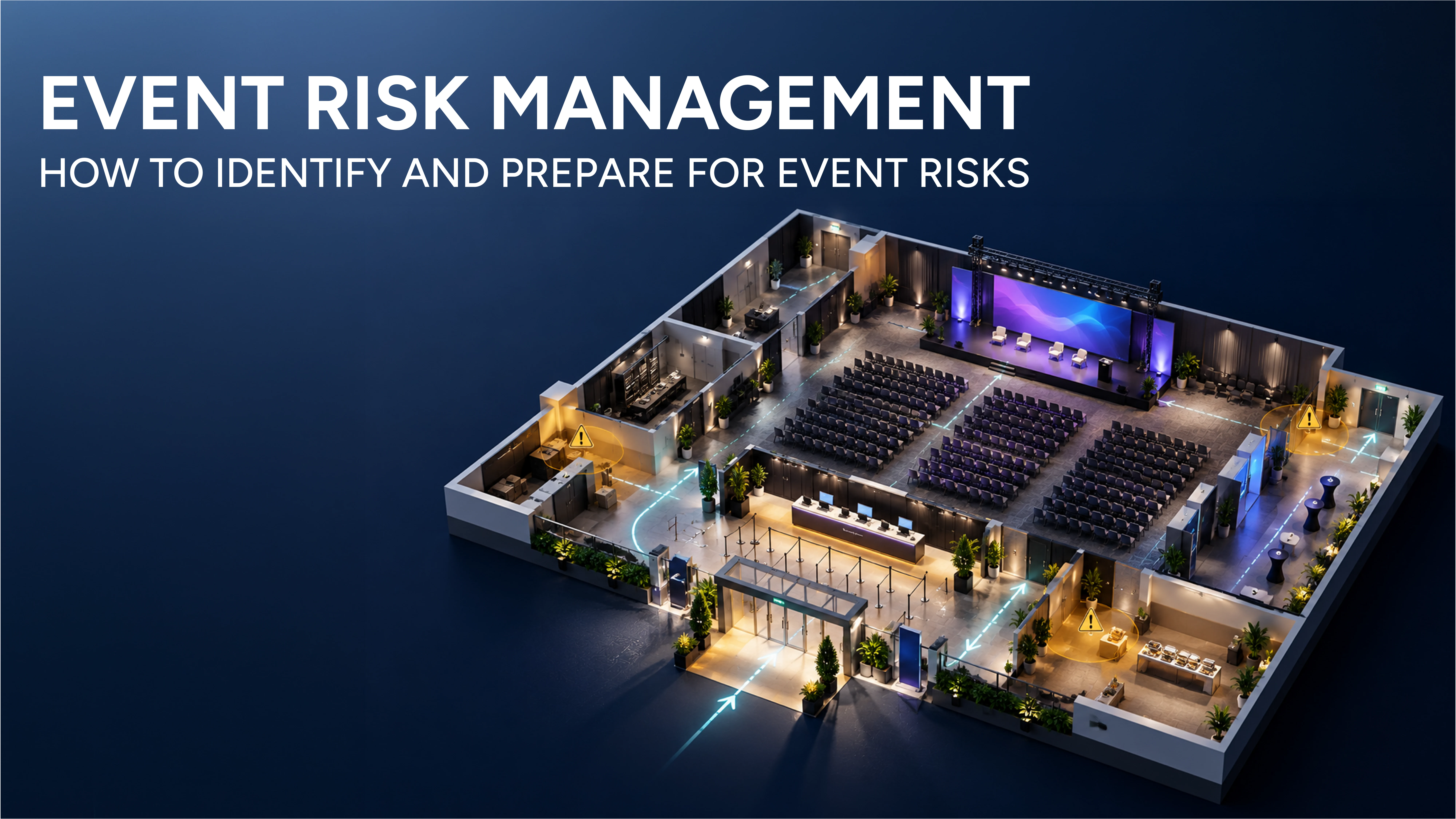
The physical environment still shapes how people connect. Lounge corners, coffee pods, and open seating clusters invite interaction. You don’t need massive redesigns - just intentional spaces that make people want to stay and talk.
If you’re hosting hybrid or multi-zone events, bridge the digital and physical worlds - QR codes that start a chat, digital walls that show trending discussions, or topic-based tables that help people find like-minded peers.
In KonfHub’s attendee app, participants can use the meetings feature to invite relevant connections for detailed discussions.
Also Read: Event Gamification 101: How To Make Any Event More Engaging
4. Blend Structure and Serendipity
Not everyone networks the same way. Some love structured sessions; others thrive in casual settings.
Balance is key: mix formal meetups and speaker networking hours with informal mixers or shared experiences - think walking tours, mini-workshops, or after-hours socials.
And for introverts? In-app prompts and icebreaker questions can help spark meaningful chats without the pressure of “working the room.”
5. Use Smart Matchmaking to Connect the Right People
AI isn’t just for chatbots - it’s quietly revolutionizing how attendees connect.
Modern event platforms use AI-based matchmaking to recommend who to meet, based on shared interests, industries, or goals.
Instead of leaving connections to chance, you’re helping people meet those who actually matter to their business.
KonfHub’s attendee app has native AI-matchmaking - with recommendations made based on participant profiles, interests and goals. That’s not just better networking - it’s better event ROI.
Also Read: AI-Powered Matchmaking: Smarter Connections, Smarter Events
6. Measure Networking Engagement With Data
If you can’t measure it, you can’t improve it.
Use data to see which sessions generated the most interactions, who connected with whom, and how long people stayed engaged.
These insights can help you design better agendas, identify high-value touchpoints, and showcase networking metrics to sponsors.
If you want to go deeper, check out our piece on Event Analytics Dashboards vs. Post-Event Surveys - it breaks down how engagement data can drive smarter event decisions.
7. Empower Exhibitors With Networking Insights
For many events, exhibitors and sponsors are the real lifeblood of the networking ecosystem.
Give them tools to see how visitors interact, what sessions attract the most leads, and who’s showing genuine interest.
The Konfhub Exhibitor Portal does exactly that - offering real-time insights, lead capture, and post-event reporting so your sponsors get measurable ROI, not just booth traffic.
8. Make Follow-Ups Effortless
The real magic of networking happens after the event - but only if it’s easy to follow up.
Help attendees continue conversations with in-app messaging, contact bookmarking, and email reminders.
Even better, send gentle nudges a few days post-event (“You met 5 new people - reconnect now”).
It’s a simple touch that turns good conversations into lasting collaborations.
9. Add Elements of Play and Discovery
Networking doesn’t have to feel like a LinkedIn meet-and-greet. For example:
Award points for each new connection.
Add a leaderboard for “Most Engaged Attendee.”
Create digital scavenger hunts that require interacting with different booths or people.
Use gamification and creativity to make it more engaging.
10. Close the Loop With Real Insights for Organizers
When the event ends, the learning begins.
Compile reports on:
Number of meetings booked
New contacts exchanged
Engagement across networking zones
This data helps you prove impact to stakeholders and refine your strategy for the next event.
Networking outcomes are no longer abstract - they’re measurable, reportable, and repeatable.
FAQs
What are event networking strategies?
Event networking strategies are planned activities, tools, and experiences that help attendees connect with relevant people, build professional relationships, and engage more effectively before, during, and after an event.
Why are event networking strategies important for event success?
Strong event networking creates more value for attendees by facilitating meaningful conversations and business opportunities. It also improves attendee engagement, increases event satisfaction, and contributes to higher event ROI for organizers, sponsors, and exhibitors.
What are the best attendee networking strategies for conferences and business events?
Some of the most effective attendee networking strategies include AI-powered matchmaking, pre-event introductions, networking lounges, structured meetups, breakout discussions, one-on-one meeting scheduling, and interactive networking activities.
How can organizers improve networking opportunities at events?
Organizers can improve networking opportunities by using attendee apps, creating dedicated networking zones, enabling meeting scheduling, offering AI-based recommendations, and encouraging interactions through gamification and community-building activities.
What event networking tools help attendees connect more effectively?
Modern event networking tools include attendee networking apps, AI matchmaking platforms, in-app messaging, meeting schedulers, attendee directories, discussion forums, and engagement analytics that help participants build meaningful connections.
How do event networking strategies increase event ROI?
Effective event networking strategies help attendees discover valuable business opportunities, improve sponsor and exhibitor lead generation, increase attendee engagement, and create stronger event communities, all of which contribute to better event ROI and long-term event success.
Conclusion
Successful events are no longer defined solely by great speakers, packed agendas, or impressive attendance numbers. The most impactful events create opportunities for people to connect, collaborate, and build lasting professional relationships. That's why implementing effective event networking strategies has become a key driver of attendee engagement, sponsor value, and overall event ROI.
By combining structured networking opportunities, AI-powered matchmaking, attendee networking apps, and data-driven insights, organizers can create more meaningful interactions before, during, and after the event. These connections not only enhance the attendee experience but also generate measurable value for exhibitors, sponsors, and event stakeholders.
As attendee expectations continue to evolve, investing in smarter event networking experiences is no longer optional. The events that make networking easier, more personalized, and more relevant will be the ones attendees remember and return to.
Looking to create stronger connections at your next event? Book a personalized demo of the KonfHub AI Matchmaking Event App and discover how intelligent networking can help increase attendee engagement and maximize event ROI.
About the author
KonfHub is an AI-powered, GDPR-compliant platform for seamless ticketing, secure attendee management, and smooth event operations. Say goodbye to complexity and hello to seamless, powerful event management!
Comments
Join the discussionNo comments yet. Be the first to comment.