Organizing an event involves more than planning the agenda, booking a venue, and getting attendees to register. For many organizers, funding is one of the biggest challenges. This is where event sponsorship can make a real difference.
The right sponsor can help cover event costs while also bringing credibility, industry connections, products, services, or experiences that add value for attendees. But successful sponsorship is not simply about finding a company willing to pay. It is about finding the right fit and building a partnership that benefits both sides.
What Is Event Sponsorship and Why Does It Matter?
Event sponsorship is a partnership where a company provides financial support, products, services, or other resources for an event in exchange for agreed promotional or engagement opportunities.
Sponsors may receive visibility through branding, speaking opportunities, booths, social media promotions, attendee engagement, or access to relevant audiences.
For organizers, some key event sponsor benefits include:
Additional funding for the event
Better event experiences and activities
Access to a sponsor's products, services, or network
Increased credibility within the industry
Opportunities to provide more value to attendees
For sponsors, an event can be an opportunity to connect directly with a relevant audience instead of relying only on traditional advertising.
The goal should be a partnership where the sponsor sees clear value and the event becomes stronger because of their involvement.
How to Find and Attract the Right Sponsors for Your Event
Knowing how to get sponsors for an event starts with understanding what you can offer them.
Before approaching companies, define your audience. Consider attendee demographics, industry, job roles, interests, location, and expected attendance. A sponsor is more likely to respond when your event audience overlaps with its target market.
Here are a few practical steps for how to attract sponsors for an event:

Identify relevant companies
Look for businesses whose products or services naturally connect with your audience. For a technology conference, this could include software companies, cloud providers, developer tools, or recruitment platforms.
Research potential sponsors
Understand their marketing goals and previous sponsorships. This helps you approach them with a relevant proposition instead of sending the same message to every company.
Start outreach early
Many companies plan their marketing budgets months in advance. Starting conversations early gives you more time to negotiate and create a meaningful partnership.
Focus on value, not just visibility
Instead of saying, "Your logo will appear on our website," explain what the sponsor can achieve through the event—such as generating leads, demonstrating a product, meeting decision-makers, or building brand awareness. This forms the foundation of an effective event sponsorship strategy.
What Should an Event Sponsorship Package Include?
A clear sponsorship package makes it easier for companies to understand what they are getting.
Typical event sponsorship packages can include:
Logo placement on event pages and promotional material
Social media mentions
Exhibition or booth space
Speaking or presentation opportunities
Product demonstrations
Sponsored sessions
Attendee giveaways
Networking opportunities
Lead generation opportunities
Branding at the venue
Email or newsletter promotions
You can create different sponsorship levels, such as Gold, Silver, and Bronze, with different benefits at each level.
However, avoid creating packages that are simply a long list of logo placements. Sponsors increasingly look for meaningful interactions with their target audience.
Your event sponsorship pricing should also reflect the audience size, event format, expected reach, available branding, engagement opportunities, and exclusivity offered.
How to Create an Event Sponsorship Proposal That Gets Attention
Your event sponsorship proposal should answer one important question: Why should this company sponsor your event?
Start with a short introduction to the event. Include information such as:
Event name and theme
Date and location
Expected number of attendees
Audience profile
Previous event highlights, if applicable
Marketing and promotional reach
Then explain the available sponsorship opportunities and what each package includes.
Most importantly, connect the benefits to the sponsor's potential goals. For example, a software company may be interested in product demonstrations and qualified leads, while a consumer brand may value product sampling and attendee engagement.
Keep the proposal easy to scan. A potential sponsor should be able to understand the event, audience, opportunity, and pricing without reading several pages of dense text.
How to Build Valuable Partnerships With Event Sponsors
Getting a sponsor is only the beginning. Strong event sponsors should be treated as partners rather than just sources of funding.
Communicate clearly from the beginning. Agree on deliverables, deadlines, branding requirements, responsibilities, and points of contact.
You can also involve sponsors in the event experience. Ask whether they have ideas for workshops, networking sessions, demos, contests, or other activities that would be useful to attendees.
Regular updates can also help. Share registration numbers, audience insights, promotional plans, or important milestones as the event approaches.
After the event, don't simply send a thank-you email and move on. Share results and discuss what worked. This creates an opportunity to build a relationship that can continue into future events.
How to Activate Sponsors and Measure Event Sponsorship ROI
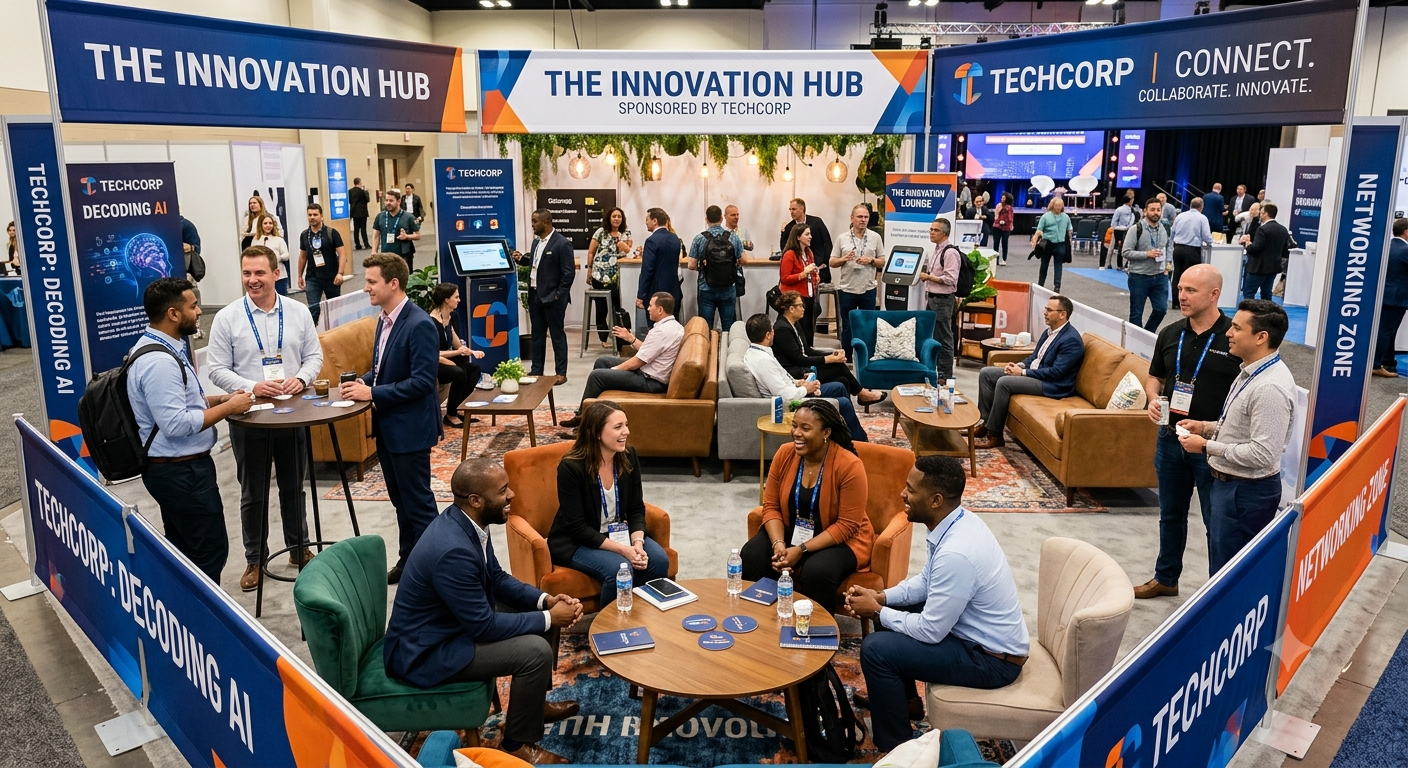
Getting a logo onto an event banner is not the same as creating a successful sponsorship.
Event sponsor activation is about turning the sponsorship into an actual attendee experience. This could include:
Interactive booths
Product demonstrations
Sponsored workshops
Networking activities
Giveaways or contests
Branded attendee experiences
Polls, Q&A sessions, or other engagement activities
Lead collection through event technology
For conference sponsorship, for example, a sponsor could host a technical session followed by a networking opportunity instead of relying solely on stage branding.
Once the event is over, measure the results against the objectives agreed upon with the sponsor.
Useful metrics can include:
Leads collected
Booth visits
Session attendance
Product demonstrations
Registrations generated
Social media engagement
Website traffic
Content downloads
Attendee interactions
The right metrics depend on the sponsor's goals. A brand awareness campaign may focus on reach and engagement, while a lead-generation partnership may focus more heavily on qualified leads and conversions.
How KonfHub can help sponsors create more value from their event presence
For booth sponsors, KonfHub helps turn event participation from simple brand visibility into meaningful attendee engagement and measurable outcomes. Its event technology gives sponsors tools to connect with relevant attendees, manage their booth presence, and capture valuable interactions throughout the event.
KonfHub’s AI Networking helps sponsors connect with attendees based on shared interests and goals, creating more relevant conversations beyond the booth. Through the Exhibitor Portal, sponsors can manage their exhibitor teams, tasks, assets, and lead-related activities from a central platform. The Lead Capture App enables booth teams to capture attendee information and prospects during conversations, making it easier to follow up after the event and measure outcomes through metrics such as leads collected, booth interactions, and attendee engagement. These capabilities complement the article’s emphasis on interactive booths, networking, lead collection, and measurable sponsorship ROI.
Conclusion
Successful event sponsorship is built around relevance and mutual value. Finding the right companies, creating clear sponsorship opportunities, presenting a strong proposal, and giving sponsors meaningful ways to connect with attendees can turn a one-time sponsorship into a long-term partnership.
Instead of asking only, "How much can this sponsor contribute?", think about what both sides can achieve together. That shift can help organizers create stronger events while giving sponsors a reason to return for the next one.
Frequently Asked Questions
What is event sponsorship?
Event sponsorship is a partnership where a company provides financial support, products, services, or other resources for an event in exchange for promotional, branding, or engagement opportunities.
How do I find and attract sponsors for an event?
Start by identifying companies whose target audience aligns with your event. Research potential sponsors, understand their marketing goals, and create a clear sponsorship proposal showing the audience, benefits, visibility, and engagement opportunities you can offer.
What should an event sponsorship package include?
An event sponsorship package should include details about the event, audience profile, sponsorship levels, pricing, branding opportunities, speaking or booth options, promotional benefits, lead-generation opportunities, and other ways sponsors can engage with attendees.
How do I create an event sponsorship proposal?
Start with an overview of your event, including its theme, audience, date, location, and expected attendance. Then explain why the sponsor is a good fit and outline the available sponsorship opportunities, benefits, pricing, and deliverables. Keep the proposal clear and focused on the value the sponsor can gain from partnering with your event.
How can I measure event sponsorship ROI?
Event sponsorship ROI can be measured using metrics such as leads generated, booth visits, session attendance, registrations, social media engagement, website traffic, and conversions. The right metrics depend on the sponsor's objectives and should be agreed upon before the event.
How do I attract sponsors to an event?
To attract sponsors, identify companies that share your target audience and understand their marketing goals. Offer relevant sponsorship opportunities such as branding, speaking sessions, booths, product demonstrations, networking activities, and lead generation. A clear proposal that connects these opportunities to the sponsor's goals can make your event more appealing.
About the author
KonfHub is an AI-powered, GDPR-compliant platform for seamless ticketing, secure attendee management, and smooth event operations. Say goodbye to complexity and hello to seamless, powerful event management!
Comments
Join the discussionNo comments yet. Be the first to comment.